


Handling emergencies related to amusement park playthings is crucial for both the safety of park visitors and the reputation of the amusement park. As a supplier of Amusement Park Playthings, I've seen my fair share of potential emergency scenarios, and I'm here to share some tips on how to deal with them effectively.
Understanding the Risks
First off, it's important to recognize the various risks associated with amusement park playthings. Different types of equipment pose different threats. For example, roller coasters can have mechanical failures, such as a broken track or a malfunctioning brake system. Ferris wheels might experience power outages, leaving passengers stranded in mid - air. And kiddie rides can be a source of minor injuries like falls or pinches if not properly maintained or supervised.
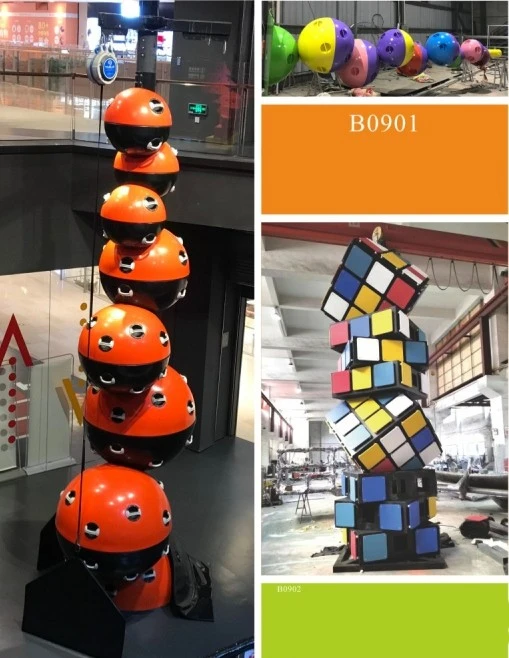
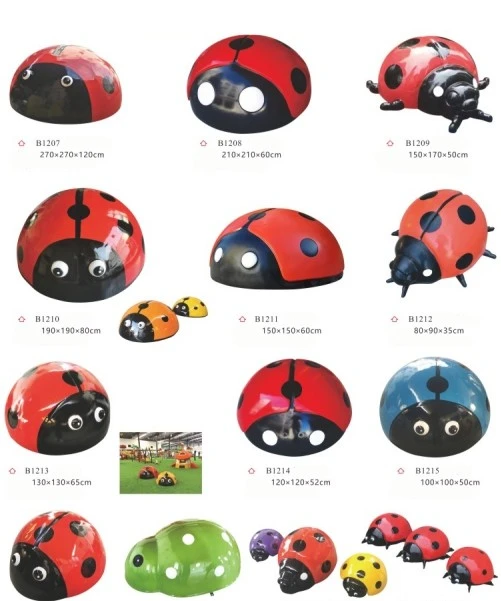
We offer a wide range of Amusement Park Equipment and Unique Amusement Gear that are designed with safety in mind. But even the best - built equipment can encounter issues, so being prepared for emergencies is a must.
Preventive Measures
The best way to handle emergencies is to prevent them from happening in the first place. Regular maintenance is key. All playthings should undergo routine inspections, including checks on mechanical parts, electrical systems, and structural integrity. This helps to identify and fix potential problems before they turn into emergencies.
For example, if you have a carousel, you need to check the horse mounts for any signs of wear and tear, ensure the motor is running smoothly, and make sure the safety barriers are intact. Training your staff is also crucial. They should know how to operate the equipment correctly, how to perform basic safety checks, and how to respond in case of an emergency.
Emergency Response Planning
Despite our best efforts in prevention, emergencies can still occur. That's why having a well - thought - out emergency response plan is essential.
Medical Emergencies
In case of a visitor getting injured on a plaything, the first step is to provide immediate first - aid. Amusement parks should have trained first - aid personnel on standby at all times. They should be equipped with basic medical supplies to handle minor injuries like cuts, bruises, and sprains.
For more serious injuries, an ambulance should be called right away. The park should have clear protocols for quickly getting the injured person off the ride and to a safe area for medical treatment.
Mechanical Failures
When a mechanical failure occurs, the first thing to do is to stop the operation of the plaything. All passengers should be evacuated safely. For example, if a roller coaster gets stuck on the track, trained technicians can use backup systems to move the coaster to a safe location or use special evacuation procedures to get the passengers off the cars.
Communication is also vital during mechanical failures. Park staff should inform the passengers about what's happening, reassuring them and keeping them calm. They should also notify the suppliers, like us, so that we can provide technical support and send a maintenance team if needed.
Natural Disasters
Amusement parks are also vulnerable to natural disasters such as earthquakes, storms, and floods. In the event of an earthquake, all playthings should be shut down immediately, and visitors should be evacuated to safe areas away from tall structures and equipment.
For storms, the park should have a plan to secure loose parts on the playthings and to get visitors inside shelters. And in case of floods, the park needs to have a clear evacuation route and procedures to protect both the equipment and the visitors.
Post - emergency Actions
After an emergency has been handled, there are several important post - emergency actions that need to be taken.
Equipment Inspection and Repair
Once the situation is under control, a thorough inspection of the affected plaything should be carried out. The cause of the emergency should be identified, and any necessary repairs or replacements should be made. Only after the equipment has been fully checked and deemed safe can it be reopened for use.
Visitor Communication
It's important to communicate with the visitors who were affected by the emergency. They should be informed about what happened, what actions were taken to handle the situation, and what measures are being put in place to prevent similar incidents in the future. This helps to rebuild trust and maintain a positive image of the amusement park.
Staff Training and Review
The emergency situation should be used as an opportunity to review and improve the staff's emergency response skills. A debriefing session should be held to discuss what went well and what could have been done better. Additional training can be provided if necessary.
Why Choose Our Amusement Park Playthings
As a supplier of Amusement Park Playthings, we take safety very seriously. Our products are made from high - quality materials and are designed and manufactured to meet strict safety standards.
We also offer comprehensive after - sales service, including regular maintenance and technical support. In case of an emergency, our team of experts can be on - site quickly to assist with the resolution.
If you're in the market for amusement park playthings, we'd love to have a chat. Whether you're looking to build a new amusement park or upgrade your existing one, we can provide you with the right equipment and solutions. Contact us to start discussing your needs and let's work together to create a safe and exciting amusement park experience.
References
- Safety Guidelines for Amusement Rides and Devices, International Association of Amusement Parks and Attractions.
- Best Practices in Amusement Park Safety Management, National Institute for Occupational Safety and Health.
